
It’s not a secret that success in modern America has a certain image. Tailored suites, a Colgate smile, and an air of charm all seem like the starter kit of any professional destined for corporate success. However, one must not overlook how body types play a large role in that image as well.
Before modern times, someone with a larger body size was often associated with wealth, class, and a higher social status due to the perception that the individual had enough money to be well fed and healthy during economic uncertainty.
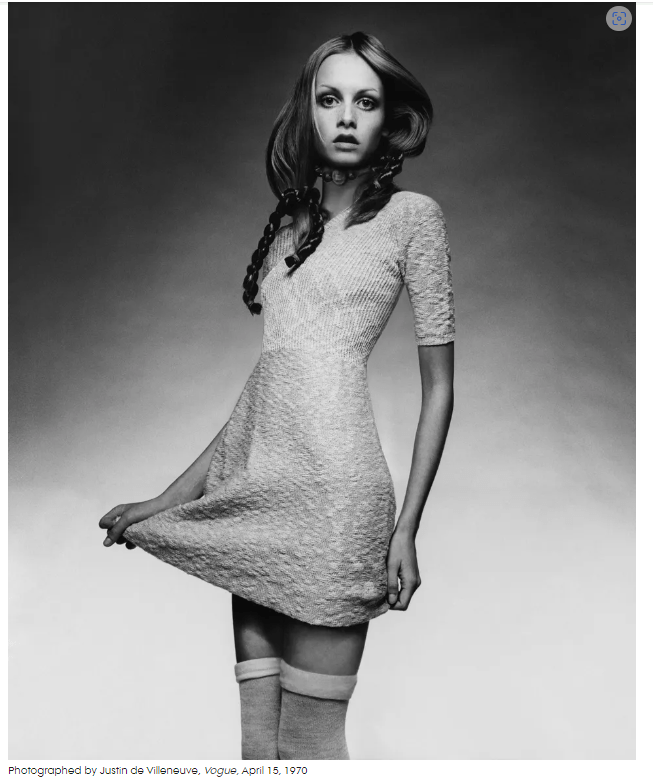
However, during the turn of the 20th century and the rise of the 1960s supermodel, Twiggy, slimmer body types were deemed as more fashionable and sought after in social circles.
In this same era, advanced medical research also began to heavily correlate obesity with chronic illnesses, and even lack of self-discipline.
While there may be some valid health risks associated with obesity, further investigation into genetics and lifestyle factors dispel the idea that larger body types are automatically related to unhealthiness.
These same perceptions found their way into the workplace as the wealthy socialites’ infatuation with health and wellness seeped into mainstream lifestyles.
You can’t pass by a self-help book or listen to a business podcast without noticing a rhetoric of how personal achievement is directly correlated with healthy diets, strict routines, and habitual exercise regimens; almost as if a person’s worthiness of success is predicated on how hard they work at life, including in physical fitness.
According to a survey by TheLadders.com, an online job resource, the vast majority of executives believe that physical fitness is a substantial influencer of professional success. Moguls such as Oprah Winfrey and Apple CEO, Tim Cook, are credited for prioritizing exercise in their daily routines in order to work at an optimal level.

Therefore, I pose the question… is body type linked to professionalism at work?
While there may be many nuances in the workplace that decide what exactly is professional (way too many to be included in just one article), there is no argument that a person’s size should not be one of them.
I have never heard of someone’s weight stopping them from making executive decisions, or being charming, kind, respectful, or an effective leader. However, according to The Guardian, “overweight people are less likely to be hired, are lower paid, have fewer opportunities, and are often outright bullied in the workplace.”
So, what exactly disqualifies someone as being “professional”?
A few characteristics come to mind including poor service, miscommunication, tardiness, distasteful language, poor hygiene, inappropriate attire, etc.
None of these qualities are mutually exclusive to body type.
This leads to the conclusion that individual preference CAN determine the perception of professionalism.
Whether you are slim, slim-thick, pear-shaped, square round, or whatever metaphor used to describe body frames, your professional ability should be judged based on performance and adherence to workplace policies.
Unfortunately, that is not always the case, especially for women or minorities who in many instances, are already discriminated against disproportionately.

Physical presentation, specifically in the form of dress code or sex appeal, can and have already been used as a form of discrimination in the workplace towards these groups for a very long time.
In patriarchal systems, women who are found to be more physically appealing to those in power have been known to get more promotions and preferential treatment than those who weren’t seen as attractive. For example, if a male manager is attracted to women with an hour-glass frame, as opposed to those of a slimmer body type, those women may receive more acceptance and opportunities from the manager, even without him realizing it.
On the other hand, those who are slimmer or toned can be seen as more credible, intelligent, and accomplished in many environments, even if that person’s performance proves otherwise. Just off perception alone, many are given benefit of the doubt without much proof.
Nevertheless, the tide seems to be turning in the workplace, where diversity and inclusion initiatives are targeted to go far beyond gender and race. However, there is still much work to be done.
I implore anyone that recognizes acts of discrimination in the workplace to speak up, and if necessary, contact human resources for information on how such behaviors may conflict with organizational policies.
We all deserve to be treated, promoted, and paid fairly for the work that we do. That is it, that is all.
 Pretty Suited
Leave a comment